The quiet battle against environmental contamination in Penjwendistrict of Sylaymaniyah northenr province is close to collapse. Despite years of effort, the campaign to collect hazardous battery waste has failed to reach its ultimate goal, as the collected materials cannot be recycled. Storing them has become a serious burden for environmental activists, and there is growing concern that the waste could eventually seep into the soil.
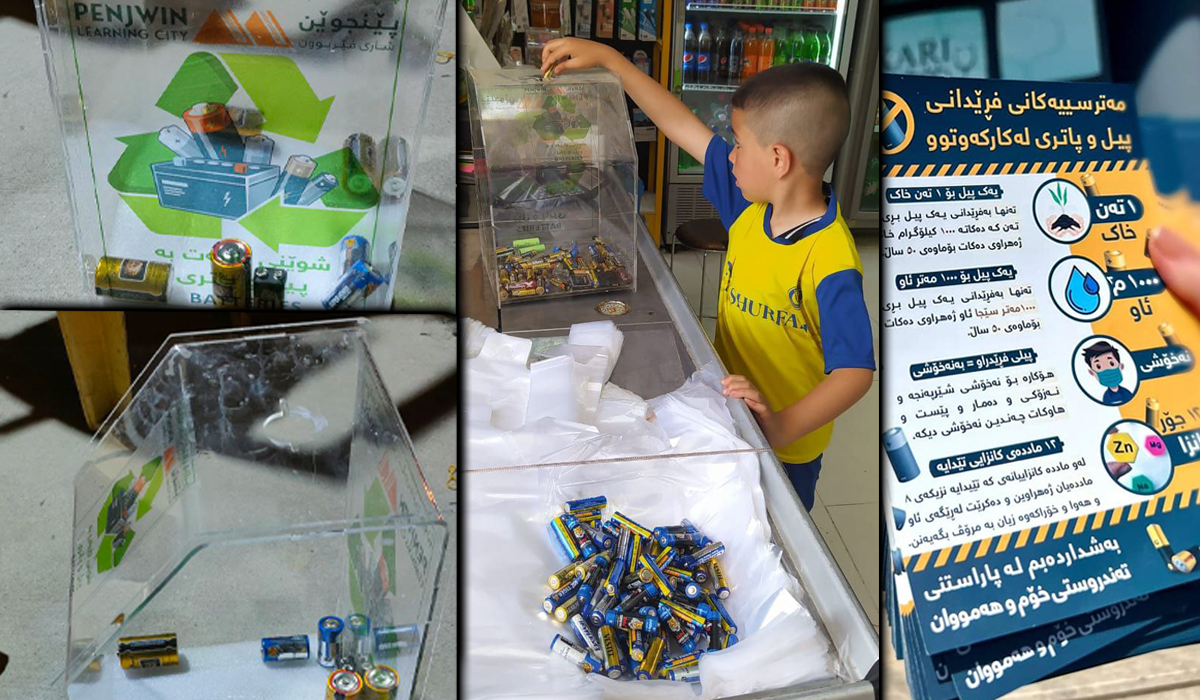
For two years, the Penjwen City of Learning project led a campaign to gather used batteries, watches, and mobile phones, promoting responsible disposal to protect the environment and climate.
Warnings from the Kurdistan Regional Government KRG’s Environmental Protection and Improvement Board highlight that batteries contain dangerous heavy metals with severe consequences for both human health and the environment. Nevertheless, most batteries continue to be discarded without any form of treatment.
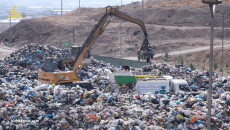
According to the board, burning battery waste contributes to air pollution, while burying damaged batteries underground can contaminate soil and groundwater.
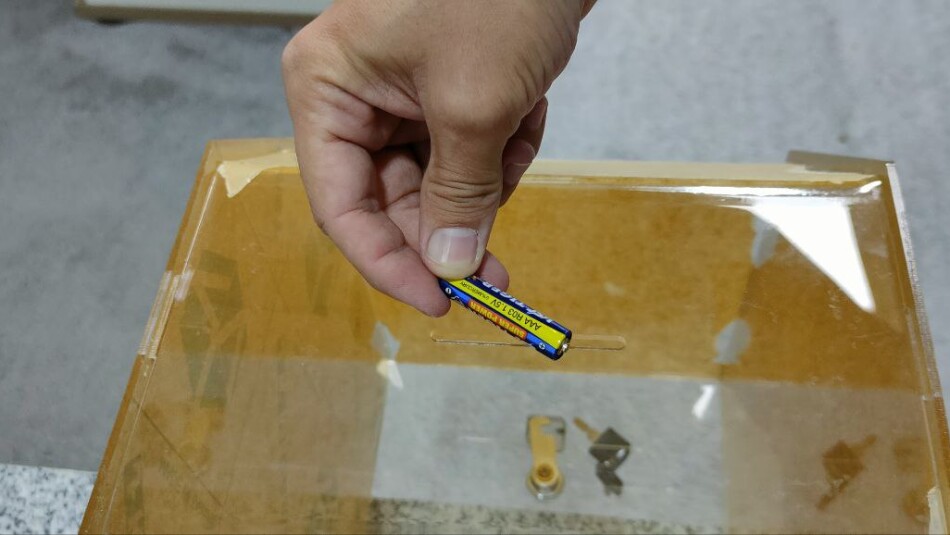
As part of the initiative, volunteers collected batteries from houses, shops, and streets, carefully storing them for eventual recycling.
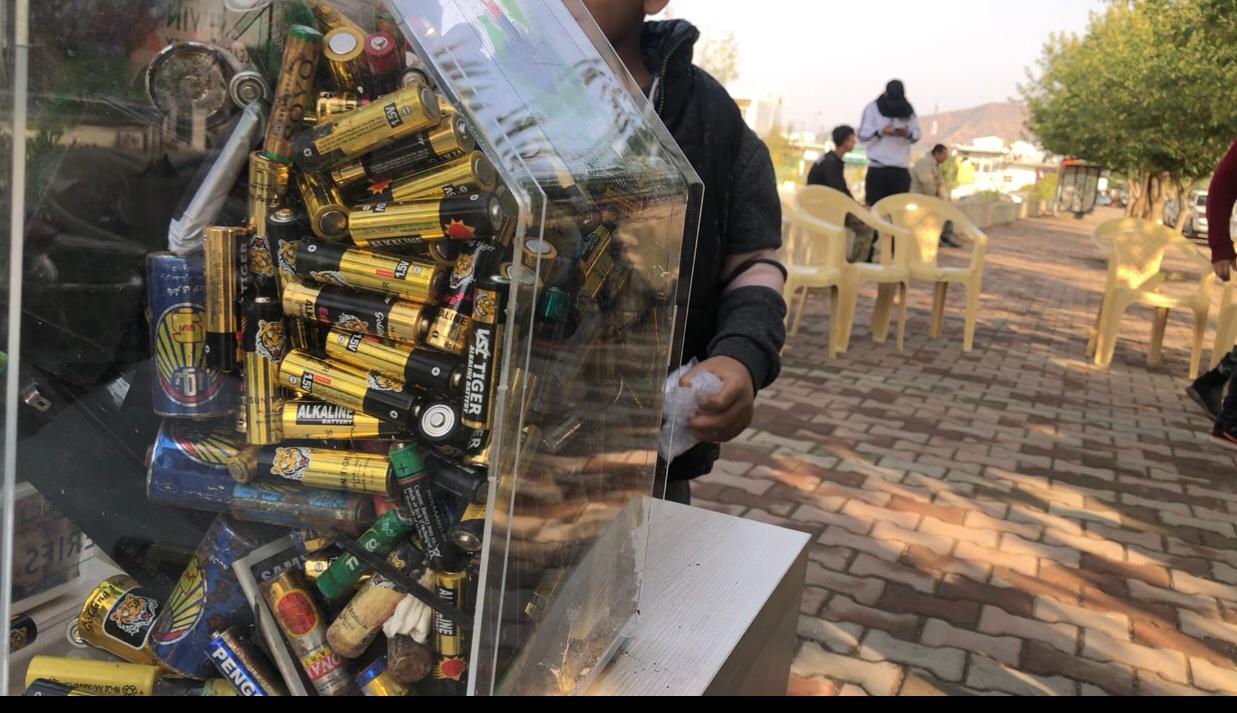
Omed Omar, head of the environmental department at the Penjwen City of Learning project, told KirkukNow that nearly one ton of batteries had been collected over the past two years.
The project began in Penjwen district and later expanded to Halabja, Sulaimaniyah city, Said Sadiq, and Darbandikhan. Special collection containers were placed in markets, mosques, and other public spaces.
However, Omar explained that the campaign has now been temporarily halted due to insufficient storage capacity and the absence of recycling facilities. Some batteries are currently stored inside the Penjwen library, while others are being kept in private homes to prevent environmental leakage until a recycling plant can treat them properly.
Batteries contain toxic elements such as lead, mercury, cadmium, manganese, nickel, lithium, and other materials that pose serious risks to public health and ecosystems. Environmental authorities emphasize that recycling remains the safest solution.
Zana Abdulrahman, supervisor of the Penjwen City of Learning project, said “ongoing discussions with Sulaimaniyah officials over the past year have aimed to find a solution for the accumulated battery and electronic waste.”
One proposed method involves burying batteries in specially designed protective containers that prevent contact with soil. However, campaign organizers strongly oppose this option.
“Our work is meant to protect the environment, not to worsen the damage,” Abdulrahman said. “Even a single battery can contaminate large areas of soil and takes an extremely long time to decompose.”
The project’s significance comes amid a sharp rise in battery and electronic waste, including mobile phones and computers, which directly contribute to environmental, soil, and climate pollution.
Statistics from the Sulaimaniyah Municipality show that more than 200 kilograms of batteries are sold daily across the province, yet only about 15 kilograms of battery waste are collected.
“The campaign played a crucial role in encouraging public participation and environmental awareness,” Omar noted.
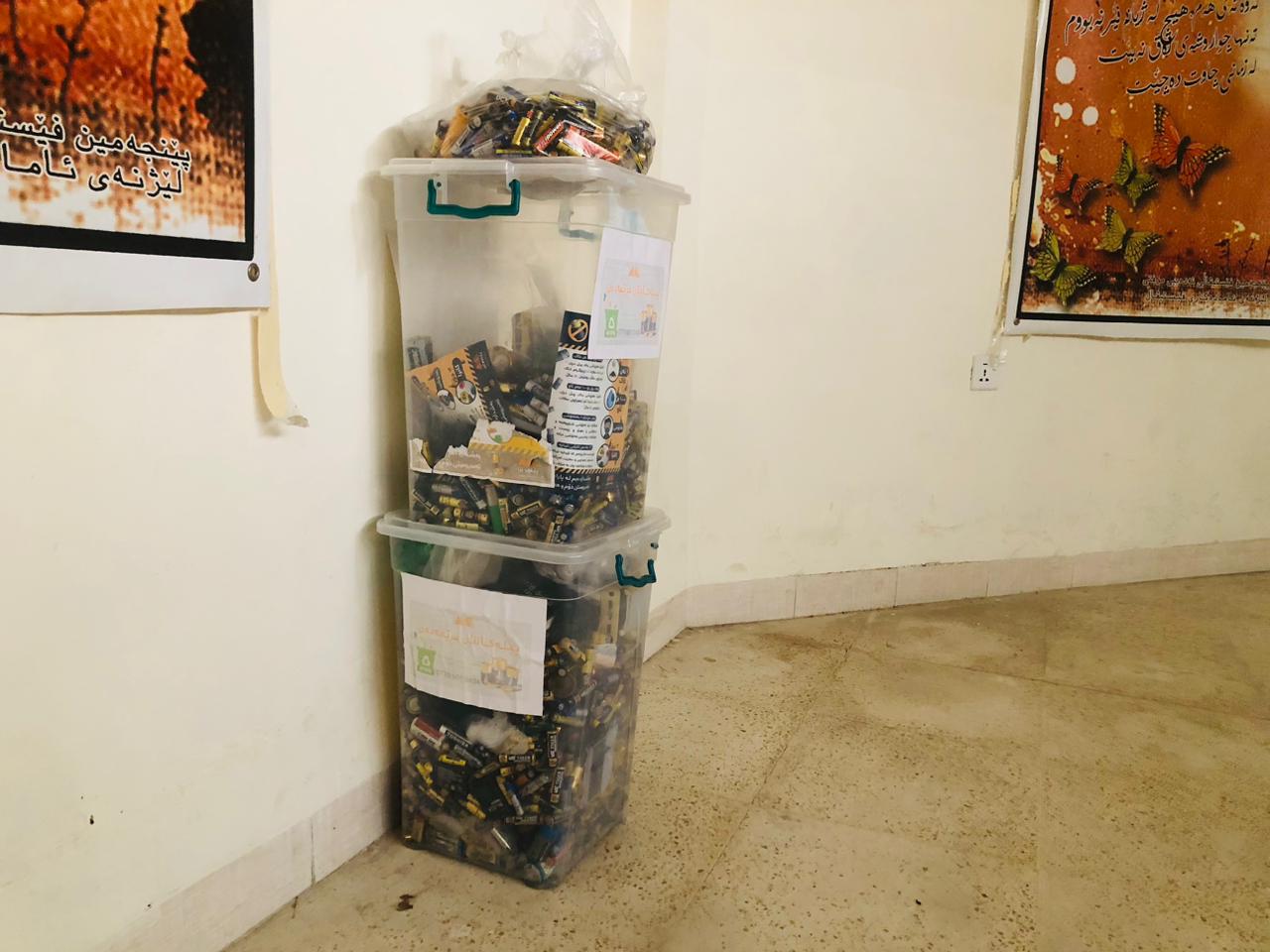
Environmental science expert Saleh Najib told KirkukNow that while batteries stored in plastic containers and dry locations may pose less immediate danger, their toxic contents eventually spread into soil and water.
“There is no real solution other than recycling,” Najib said, adding that countries such as India and China recycle batteries using traditional methods.
He stressed that the threat to the environment, climate, and public health is severe and demands serious government action.
Zhino Khalid, a university professor and environmental pollution specialist, warned that toxic substances dissolve into the soil and enter food sources such as crops and trees, contaminating the food chain and eventually harming human health.