Spring plants, especially those suitable for food, are under threat of extinction due to the widespread unscientific treatment by citizens. To some extent, some botanists predict how much we will lose next year - crabs, cardamom, and watermelons.
According to a field survey, the area of wild and spring plants such as gundelia, cardoon, and rhubarb has decreased by 80 percent, describing the threat as "a silent genocide of the environment."
The threat is twofold, one part is natural and related to climate change and reduced rainfall, the other part, which is described as more dangerous, is directly linked to humans and unscientific practices according to the results of an investigation by Kirkuk Now.
Villages Introduce Protective Measures
A sense of danger is beginning to emerge. Villagers in two different regions of the Kurdistan Region of Iraq (Choman district in Erbil province and Penjwen district in Sulaimaniyah province) have adopted new guidelines and decisions to deal with those who misuse the environment, especially plants in the spring.
They have set new conditions and guidelines for people when they go to the plains and mountains of the regions to obtain spring plants used for food or they are not allowed to gather spring plants at all.
Awara Mohammed Amin, a plant science specialist from Kawarte village in Choman district, said, "Many people came to our village and uprooted their spring plants. The plant will no longer grow."
"Or they would trample the plants and damage them. They would uproot the plant before the seeds ripened, destroying the plant and its seeds forever," he added.
Environmental and Economic Importance
Residents of Kawarte, Nawanda, Dargala, and several other villages have noticed that year after year the number of spring plants such as thistle, arum, and rubarb and dozens of other species is decreasing, which is the beginning of feeling threatened with extinction.
Therefore, they have decided to take serious measures to protect this natural resource, including "no longer allowing people to enter the fields, plains, and mountains to gather spring plants. We have been allowing them for three years in a limited way and only for food purposes to protect them from extinction," Amin said.
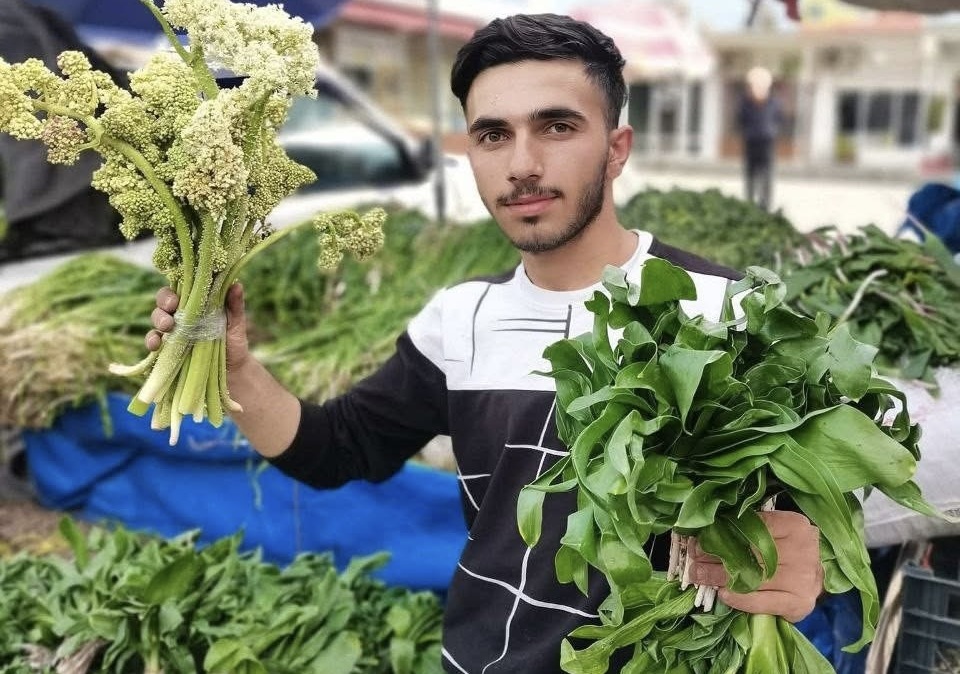
Environmental activist Hoshmand Fares says any weed or tree uprooted will not grow green again "unless its seeds are carried from elsewhere again through floods, animals, and birds and grow again in the area."
The nature of the Kurdistan Region is rich of dozens of species of spring plants that are used for food and medicinal industry and generally grow in the forests, mountains, plains, and valleys and grow in spring. Every year from early March to late May, people go to these areas in groups to gather spring plants, after which the seeds of the plants ripen and fall to the ground. Some villagers and plant and environmental experts are concerned that the spring plants will be uprooted before the seeds can mature, which is the worst treatment of spring plants.
Awareness and Government Action
"Plants used for medicine or food such as gundelia, cardoon, and rhubarb are in danger of extinction due to drought and unhealthy plucking by people," biologist Jalal Karim told KirkukNow.
“People should pay attention, and the government should punish the violators. There is not enough awareness. People generally have little knowledge of how to deal with spring plants, and there are few or no guidelines.”
According to Fares, the environmental activist, the only solution for this stage is to spread awareness and government monitoring, for which he believes that the Kurdistan Regional Environmental Commission should play a role.
"We are constantly issuing instructions, including not to uproot the spring plants, and we must coordinate with the people and villagers to preserve the spring plants so that they do not disappear," said Sanan Abdullah, spokesman for the Kurdistan Regional Environment Board.
Abdullah believes that this important asset is decreasing year by year.
"It is part of the ecosystem in the Kurdistan Region. We may witness a decline in such weeds, both by ranking and comparing current and previous years. A few years ago, they used to bring dozens of kinds of spring plants in trucks and pickup trucks, and the market was full, but it has decreased significantly in recent years," said Mam Amir, a wholesale greengrocer seller in Duhok.
Spring plants have been very rare for several years.
"Now the price is much higher because it is not as easily available as in previous years," he said, adding that this year the amount of rainfall was higher than in previous years.
An initiative for planting
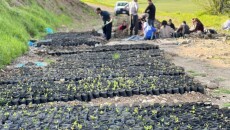
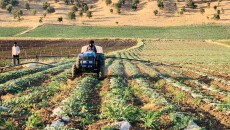
Spring plants are known to grow naturally by rainfall, but because of the dangers of extinction, some people resort to planting and cultivating them like any other fruit and vegetable they take.
Rahma Azizi, 60, a resident of Akre, is one of those who have resorted to planting these spring plants.
"Our area was rich in spring plants, but they are slowly disappearing. Now we are collecting the seeds and planting them. We do not want this original and precious heritage to be destroyed," Rahma said.
Haji Ahmad and his wife Fawzia also have experience in growing gundelia and cardoon and start cutting and selling them in March and April. "Cardoon can grow in its place for 10 years, provided it is not uprooted and only the stem is cut," Haji Ahmed said. "Every year we leave part of the spring plant to dry the leaves and seeds. We can use it for planting again.”
Gundelia are the most popular and can be cooked in several ways. They usually germinate in late May if not manipulated. Haji Ahmed says they are collecting crab seeds and planting them to prevent their extinction.
According to the spokesman of the Kurdistan Regional Environment Board, one of the solutions is for the relevant parties to collect the seeds of these plants so that in the coming years through drones and new technology.
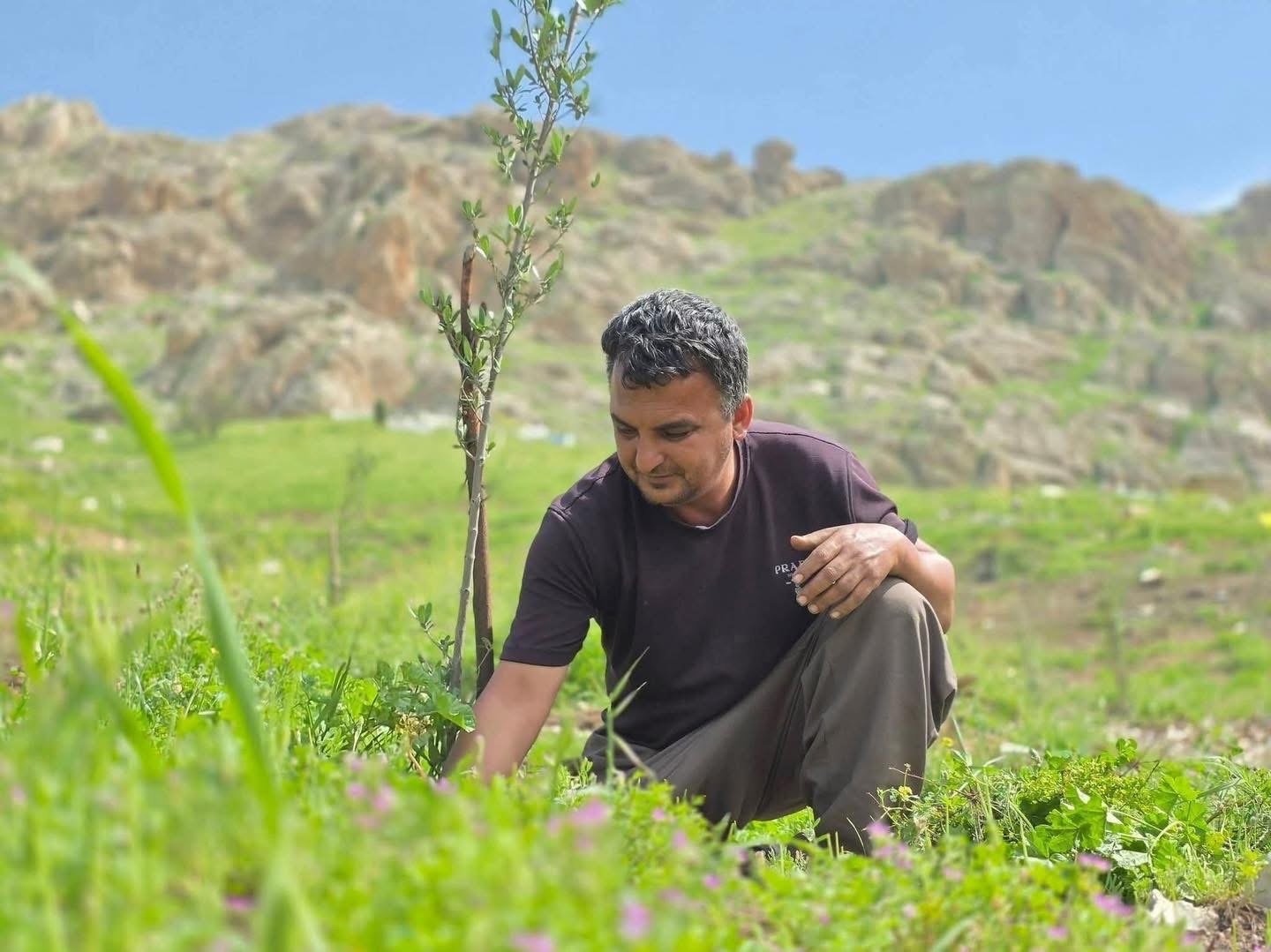
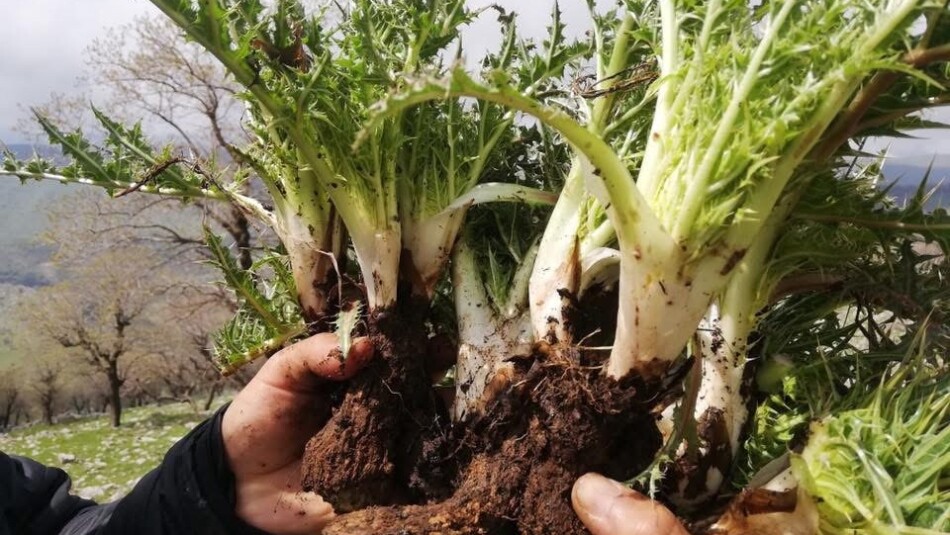
Duhok, April 2026: A citizen collecting spring edible plants. Shivan Osman
Weak Legal Protection
There is no law in the Kurdistan Region to punish those who damage spring plants, so far this issue has not become a major concern. This has caused the people of some villages in Penjwen district to protect their spring plants from human hands by not allowing those who have no expertise in digging plants in the springs.
The Kurdistan Regional Environment Board, said there is no specific law to punish these people, but the law on environmental improvement and protection talks about protecting natural areas, which can be used for that purpose. The law emphasizes that anyone who causes damage to the environment is responsible and must compensate for the situation, in the sense of removing the damage and restoring it to its original condition.
However, it is unclear how this rule applies to spring plants. This has led the forest police, who are responsible for protecting natural forests, not to take the issue seriously.
"No one has been arrested for digging up the spring plants. We are just raising awareness for that purpose. The lack of strict laws and improper methods of uprooting plants have led to a large part of Kurdistan's natural resources being in danger of being destroyed," said Hoshyar Ahmad, director of the Sulaimani Forestry Police.
However, spokesman of the Kurdistan Regional Environment Board, stressed that they are currently in talks with the provinces and autonomous administrations to issue new guidelines and decisions to protect the spring plants from extinction and how citizens deal with it.
“Cut, Don’t Uproot”
According to Hadi Ma'roof, spokesman for the Duhok Forest and Environment Police, the issue is "a silent genocide of the environment." "We have conducted field investigations and found that the green area of wild plants such as gundelia, cardoon and rubarb “have decreased by 80 percent and is going to decrease further."
The main reason for this is the increase in tourists and the lack of awareness in dealing with spring plants.
"People are uprooting plants with roots and soil, which is the biggest danger. The threat of extinction of spring plants is not only nutritional but also environmental. Chenar Ibrahim, an expert in botany at the College of Agriculture of Duhok University, said, "Spring plants are a key link in maintaining the balance in the ecosystem for Kurdistan's nature. When they are uprooted, the DNA that has been withstanding the environment for thousands of years is destroyed."
He suggests following the "cutting, not digging rule" for spring plants. "The plant should be cut with a very sharp knife, at least two to three centimeters above the roots and above the soil. For every 10 plant buds you see, you must leave at least three."
He says he has followed the spring plants and found that some of them are close to extinction.
“Above all, whild rhubarb due to high commercial demand, is brutally uprooted before the sowing stage... Others like Chervil and Wild Leek are very sensitive to the drying up of the surrounding soil... Cardoon, gundelia, Ornithogalum, bindweeds, and Allium haemanthoides, these are also facing a great danger." "There is a golden rule that says, 'Out of every 10 plant roots you see, you must leave at least three roots untouched.' This is to grow, flower, spread their seeds to the wind and insects. If we don't follow that law, we will only see these plants in books in the next few years," Chenar said.