



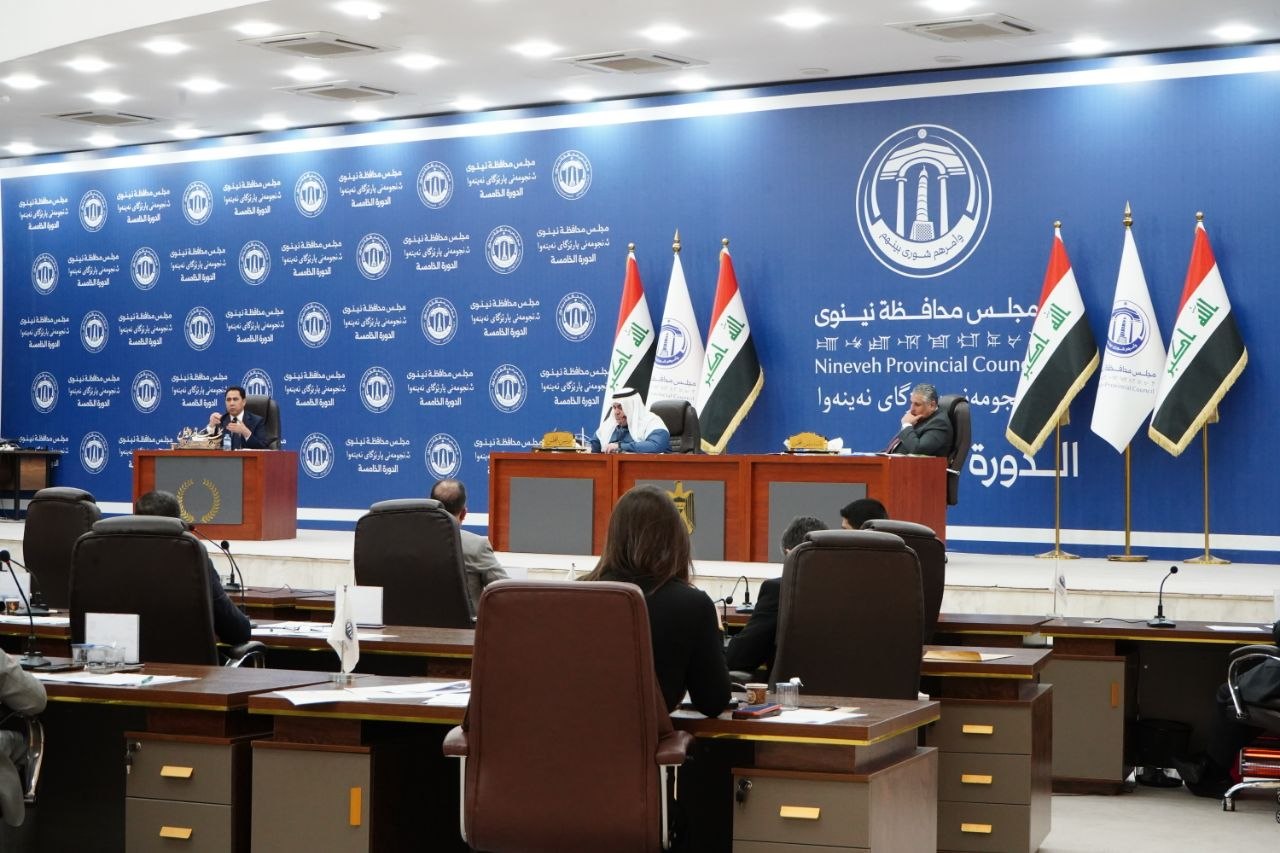

While major development projects worth billions of dinars are being undertaken across Nineveh, many rural and remote communities continue to lack basic services. The uneven distribution of projects has sparked concerns among provincial officials and residents over whether development funds are being allocated fairly.
Despite facing its own budgetary constraints and the broader financial crisis affecting Iraq, Nineveh's local government continues to debate disparities in the allocation of development projects.
"There is widespread dissatisfaction in Bashiqa district and its villages. More than 50 villages are complaining about the lack of basic services, from paved roads to school buildings and health centers," said Maaz Haji, member of Nineveh provincial council.
Nineveh's need for reconstruction remains significant after years of conflict and its aftermath. Many communities require rehabilitation across a range of sectors, depending on the funds approved and distributed by the provincial council.
Iraq's Law No. 21 of 2008 on Non-Organized Provinces, as amended, stipulates that provincial budgets should be distributed according to population. It requires local authorities to provide administrative units with a fair share of resources so they can meet their responsibilities and obligations in proportion to their populations.
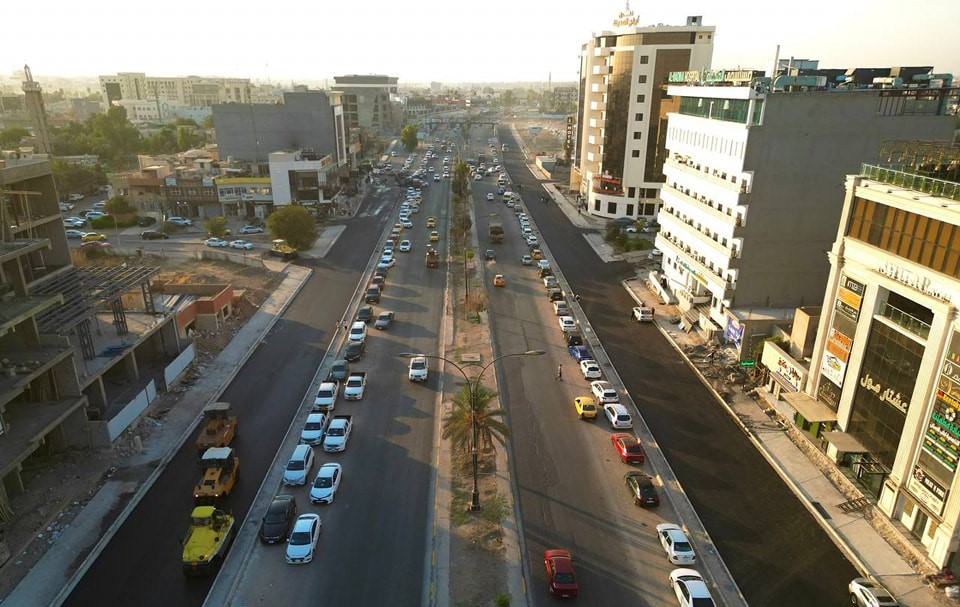
Nineveh's Development Projects
Nineveh ranked third among Iraqi provinces in the number of construction projects awarded to contractors in 2025. A total of 231 projects, valued at more than one trillion dinars (USD650M), were awarded in the province, out of approximately 24 trillion dinars allocated nationwide for construction projects.
Haji argues, however, that the issue is not simply the amount of money available but how those funds are distributed.
Concerns over unequal project and budget allocations have emerged amid Iraq's worsening financial difficulties. The crisis has affected provincial development spending and delayed salary payments.
"The government and the state are facing a financial crisis, so we must take the situation into account, act responsibly, and regulate consumption and spending to withstand this crisis," Haji said. "With God's support, we will overcome it."
Nineveh, Iraq's second-largest province by population, is home to more than four million people. Nearly half live in rural areas, many of which continue to need roads, schools, healthcare facilities and other essential services.
Last year, the federal government launched 14 projects in the Nineveh Plain and Shingal (Sinjar), home to the Ezidi (Yazidi) community, as part of broader efforts to rebuild areas affected by war. The projects included road rehabilitation and hospital construction. However, the financial crisis has complicated the implementation of many of them.
According to Prime Minister's adviser Mazhar Mohammed Saleh, the closure of the Strait of Hormuz in February following the US-Israeli conflict with Iran disrupted 85 percent of Iraq's oil exports. Oil revenues account for around 90 percent of the country's income, further intensifying the financial crisis, he told the semi-official Iraqia News Agency.
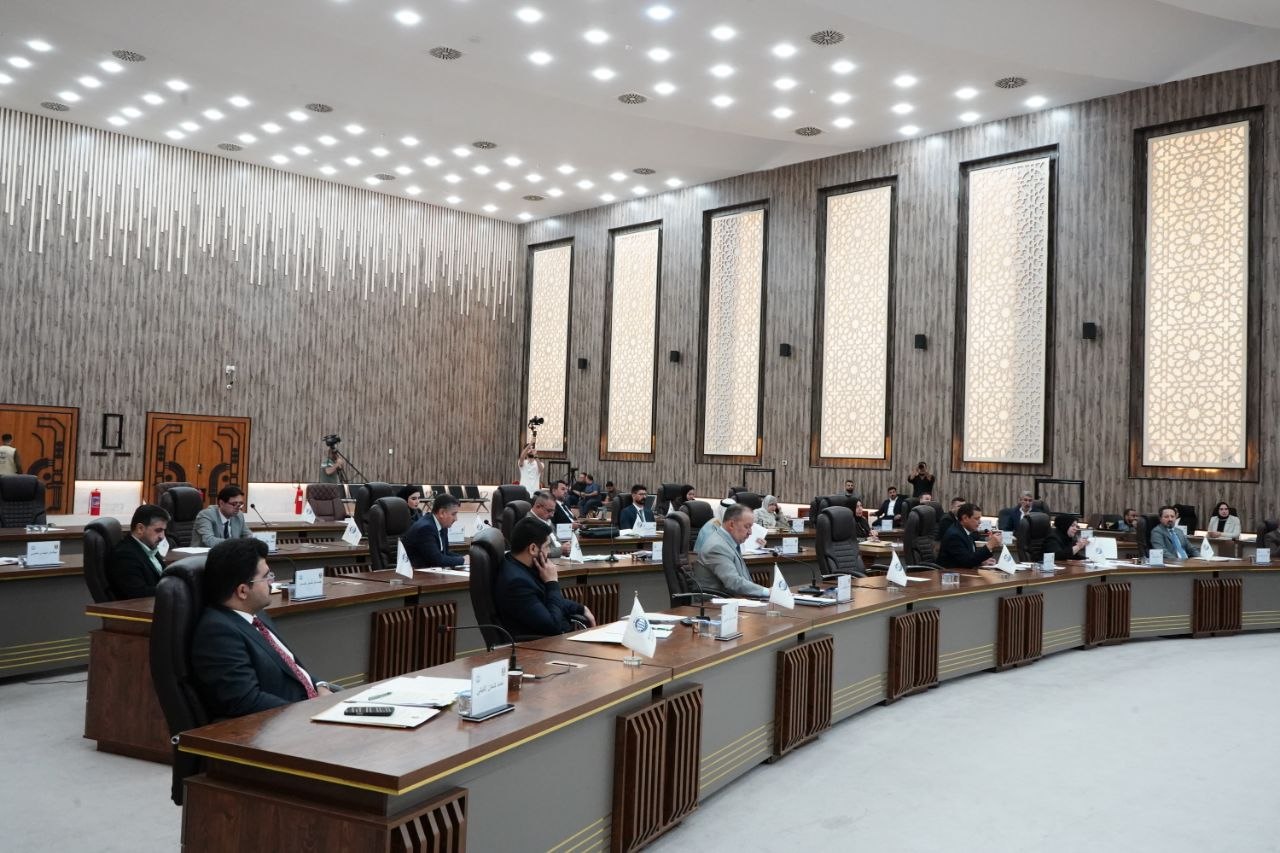
Provincial Revenues
Under the law governing provinces not organized into regions, provincial revenues also include the province's share of the federal budget, which is supposed to reflect population size and promote balanced development among different areas. Provinces can also receive non-oil revenues.
Nineveh is among the provinces eligible for petrodollar revenues. These include $5 for each barrel of crude oil produced in the province, $5 for each barrel of crude refined at provincial refineries, and $5 for every 150 cubic meters of natural gas produced.
Ahmad Abd Raba, a member of the Nineveh Provincial Council, said delays in transferring the province's budget allocations and financial entitlements would affect the implementation of projects and the delivery of services.
Provincial officials are now looking to the approval of the federal budget for the coming year to help resume stalled projects and address some of Nineveh's economic and service-related challenges.
"We hope that in 2027, the federal budget will be approved for all provinces and will help resolve many of the economic problems and crises that have weighed heavily on the country in recent years," Haji said.
Shingal and several other parts of Nineveh experienced intense armed conflict between 2014 and 2017, severely damaging local infrastructure and public services. Thousands of families remain displaced, with instability and the continued lack of essential services preventing many from returning to their communities.