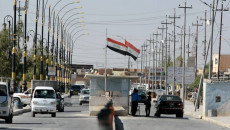



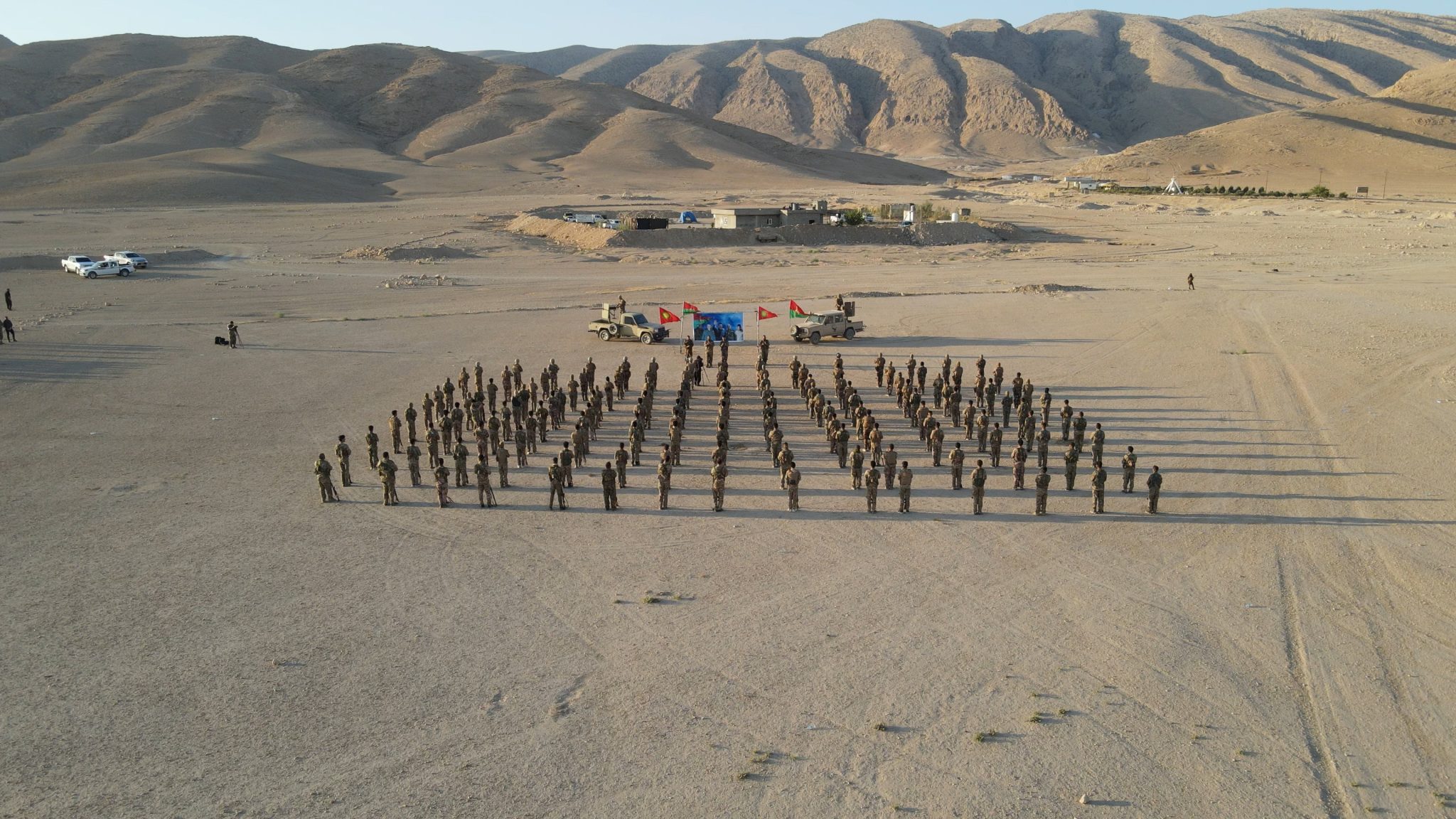

Iraq’s federal government has secured Turkey’s commitment to withdraw its forces and is working to integrate fighters from the Shingal Resistance Units (YBSh) into state security institutions as part of efforts to resolve the security situation in Shingal district within one month.
However, the Kurdistan Regional Government (KRG) has expressed concern over the measures, describing them as problematic and urging Baghdad to honor the 2020 Shingal Agreement.
The issue was discussed during a special session at the MERI Forum in Erbil, attended by Iraq’s National Security Advisor, Qasim al-Aboudi, and the KRG’s Interior Minister, Rebar Ahmed. The session, titled “From Fragmentation to Integration: The Future of Iraq’s Security System Post-International Coalition,” focused on the future of security arrangements in the disputed district of Shingal, home to the Ezidi (Yazidi) non-Muslim community in Nineveh Province.
Baghdad Moves to Integrate YBSh Fighters
Iraq’s National Security Advisor said the federal government had reached an agreement with the YBS, a group linked to the Kurdistan Workers’ Party (PKK), under which its fighters would leave Mount Shingal and surrender their weapons in exchange for integration into official state security and military institutions.
According to al-Aboudi, the process is already underway, with approximately 1,500 fighters integrated into Iraqi forces and another 1,500 expected to follow. The agreement also covers the integration of 500 Ezidi female fighters into the Community Police.
KirkukNow previously reported that the YBSh had agreed to surrender its weapons through the integration of its factions into forces affiliated with the Iraqi federal government.
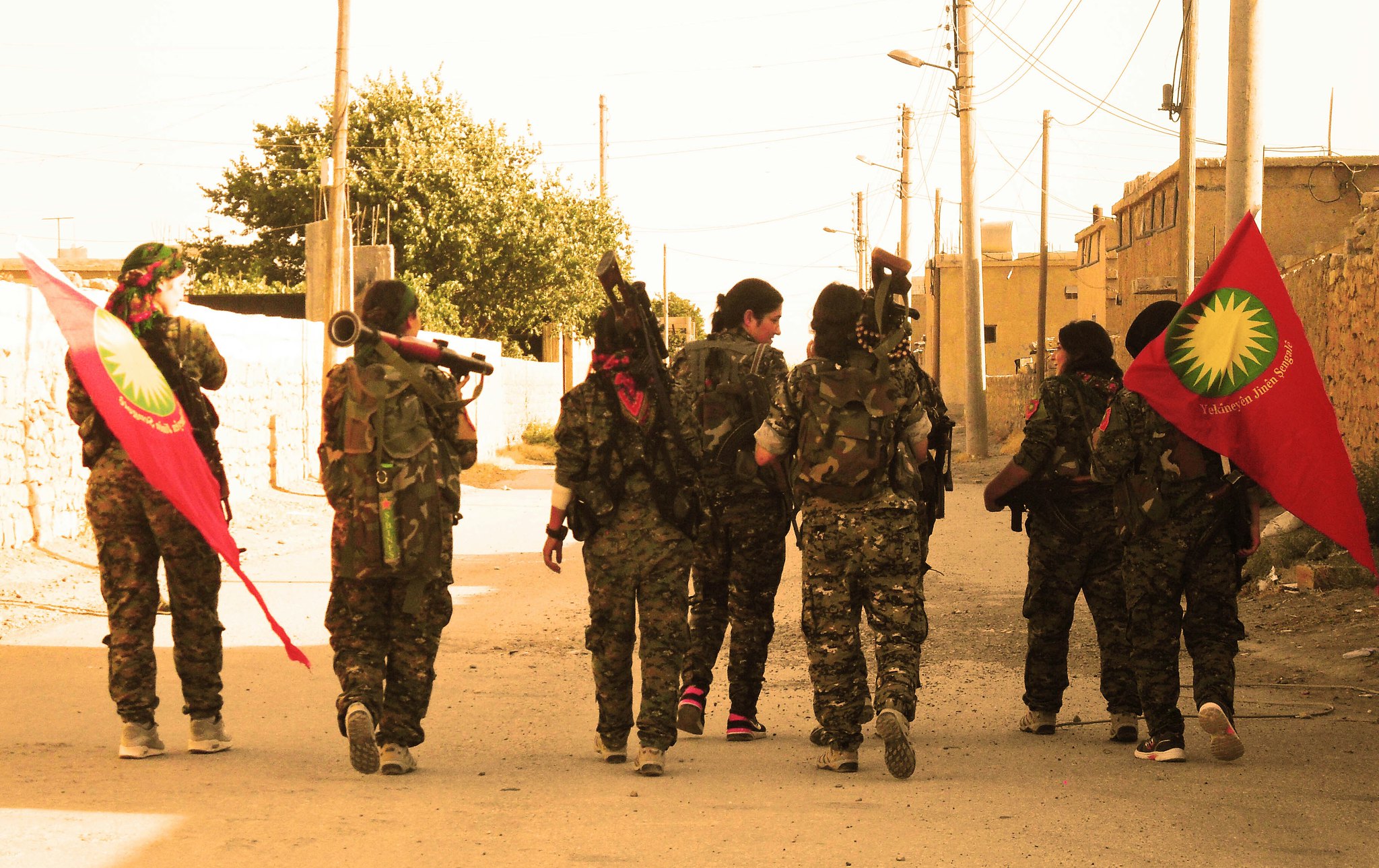
Established during the fight against the Islamic State (ISIS) in 2015, the YBSh is composed primarily of local residents and played a role in retaking Shingal after the district fell to ISIS in August 2014.
Al-Aboudi stressed that the commander-in-chief of the armed forces had rejected the establishment of independent military formations outside official state institutions. He said the government’s efforts were intended to address residents’ security concerns and prevent a recurrence of the 2014 tragedy through peaceful measures rather than military confrontation.
“I am optimistic regarding the Shingal file; the district’s problems will be resolved within a month,” he said.
He added that other forces, including the Iraqi Army, Federal Police and Popular Mobilization Forces (PMF), would eventually leave Shingal, arguing that the district should be administered by its own residents.
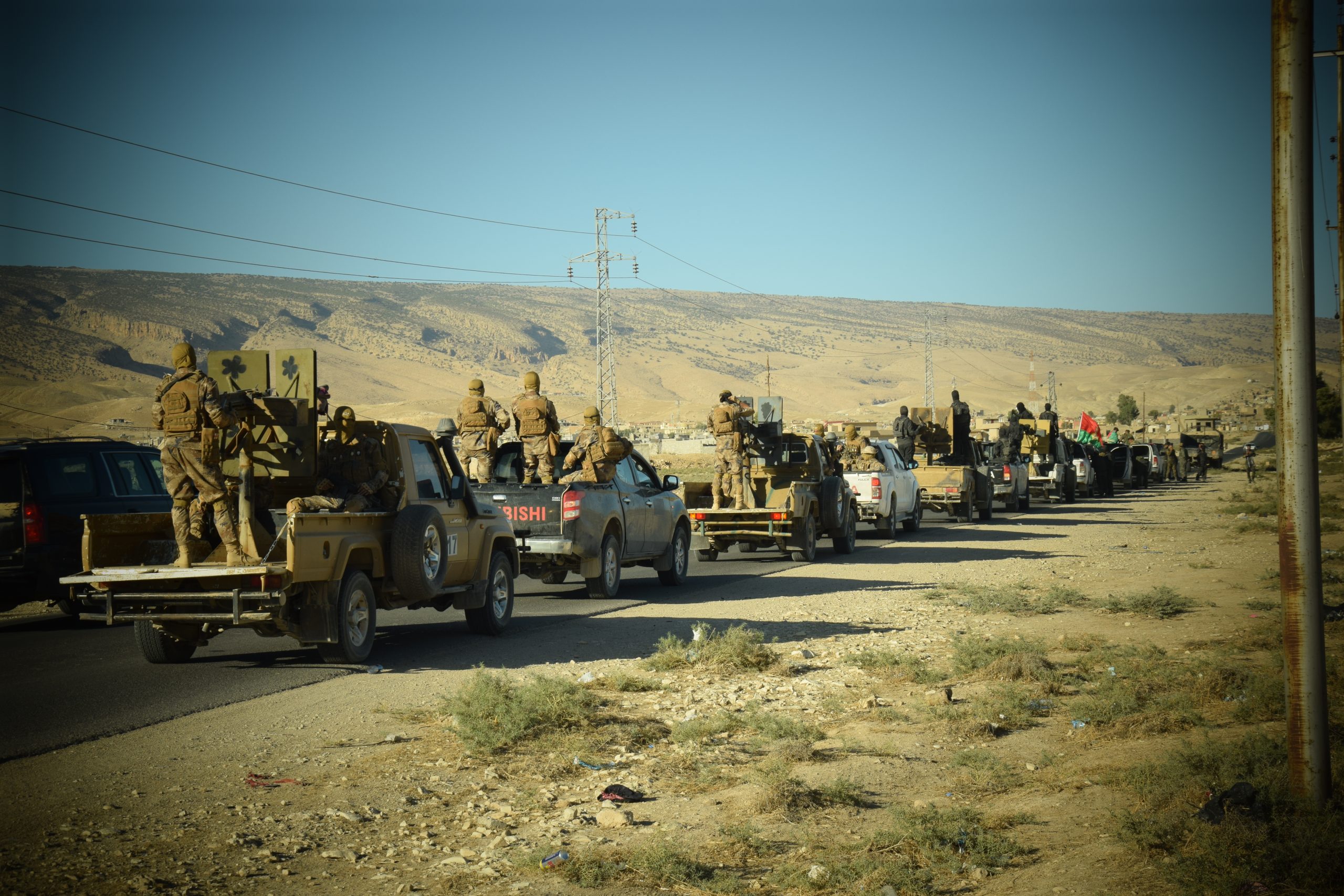
The shift in the YBS’s position on disarmament follows several regional developments, including the conclusion of the US-led international coalition’s mission in Iraq, Turkish pressure and the repercussions of events in Syria.
Al-Aboudi also acknowledged Turkey’s concerns about the continued presence of YBS fighters on Mount Shingal. He said negotiations had eased those concerns, leading Ankara to agree to a gradual withdrawal from the Bashiqa military camp in Nineveh.
Turkey has repeatedly carried out airstrikes in Shingal, citing the presence of armed groups affiliated with the Kurdistan Workers’ Party PKK, and has threatened ground operations. Ankara is now pursuing a peace process aimed at disarming the PKK and extending the process to affiliated armed groups in Iraq and Syria.
Erbil Insists on Implementing the 2020 Agreement
The position expressed by KRG minister of interior at the MERI Forum differed significantly from Baghdad’s approach. Ahmed criticized the federal government’s recent measures and called for a return to the agreement signed between Baghdad and Erbil in 2020.
The Shingal Agreement was intended to resolve the district’s administrative and security problems, including the withdrawal of forces affiliated with the PKK. However, it has not been implemented, and approximately eight armed groups continue to operate in the area.
Ahmed argued that efforts to resolve the crisis would remain incomplete if they failed to address its underlying causes and respect the terms of the previous agreement.
He described the current approach as an arrangement that places state decision-making under the influence of armed factions operating on Mount Shingal, arguing that their presence and the measures adopted by Baghdad were obstructing implementation of the agreement.
“Unfortunately, a step was taken by the federal government without coordination with the Kurdistan Regional Government,” Ahmed said.
He urged Baghdad to resume implementing the agreement in coordination with the KRG rather than political parties.
Shingal, like other parts of Nineveh, experienced intense fighting between 2014 and late 2017, leaving infrastructure severely damaged. Thousands of families remain displaced amid continuing instability and inadequate public services.
Ahmed also warned of demographic and religious changes in the district following the arrival of the PMF and PKK-linked forces in 2017.
Dispute Over the District Mayor’s Position
Beyond disarmament and regional interference, the unresolved appointment of Shingal’s district commissioner remains a major obstacle to restoring effective local administration.
The issue was discussed in recent talks involving the federal government, the YBSh and other armed factions. A proposal to appoint a military ruler was also raised but ultimately rejected.
Al-Aboudi said that, following consultations with the prime minister, the proposal had been dismissed. Instead, the Nineveh Provincial Council was authorized to appoint an independent civilian district commissioner for a fixed term, without partisan quotas or political interference.
He acknowledged that the appointment process remained stalled, blaming conditions imposed by political parties, and called on the Kurdistan Region to help resolve the dispute.
Shingal currently has two administrations. The former administration operates from Duhok northern province after leaving the district following the events of October 16, 2017, and the withdrawal of Peshmerga forces. The other operates within Shingal but lacks effective authority.
The divided administrative structure has complicated citizens’ access to government services and the processing of official documents.
Although the Nineveh Provincial Council elected a district commissioner for Shingal two years ago, the Kurdistan Democratic Party (KDP), which held dominant authority in the district before the war against ISIS, opposes the appointment.
Ahmed maintained that the district commissioner must be appointed through established legal and governmental procedures and in accordance with previous agreements, rather than through unilateral decisions or partisan interests.
He said the KRG had nominated candidates for the position on three occasions and that the federal government had approved them, but an armed faction had prevented the appointments from taking effect.
These attempts took place before the election of the new Nineveh Provincial Council, which now has the authority to appoint district commissioners.
Ahmed also acknowledged the involvement of regional powers, including Turkey and Iran, in Shingal, saying their interference had further complicated the situation. He criticized political parties and armed factions for obstructing the appointment process, which requires coordination among the federal government, the KRG and Nineveh’s local authorities.
He reiterated the Kurdistan Region’s readiness to cooperate with Baghdad and local officials to resolve Shingal’s administrative and security problems, including the appointment of a new district commissioner.
A Security Deal Without a Comprehensive Political Settlement?
Baghdad’s one-month deadline and its plan to integrate YBS fighters into state institutions could mark a significant shift in Shingal’s security arrangements. However, the disagreement between Baghdad and Erbil over the implementation of the 2020 agreement, the influence of armed factions and the unresolved leadership dispute continue to complicate efforts to restore stability.
While the federal government emphasizes integrating fighters and ending the presence of independent armed groups, the KRG insists that a lasting solution must also address administrative authority, political coordination and the commitments made under the earlier agreement.
Without progress on these interconnected issues, Shingal’s security arrangements may change without resolving the broader political and administrative crisis affecting the district.