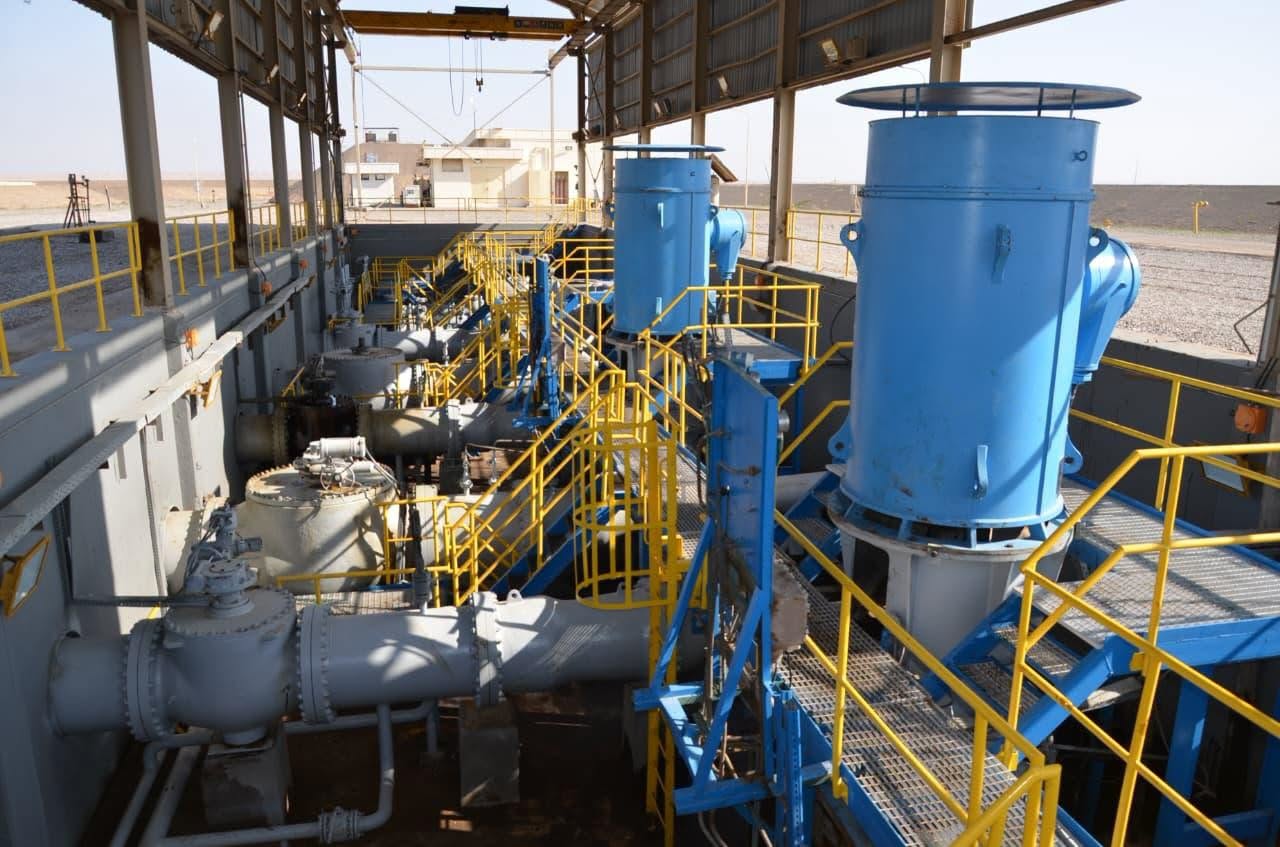

After remaining inactive for 12 years, Iraq’s federal government has restarted oil exports through the Kirkuk–Ceyhan pipeline, which links Iraq with Turkey. The pipeline is currently transporting 120,000 barrels of oil per day, with plans to expand its capacity to 500,000 barrels daily.
On November 17, 2026, the Iraqi Ministry of Oil announced in a statement that crude oil pumping had resumed through the old Iraq–Turkey export pipeline. The restart followed rehabilitation and restoration work carried out by ministry teams in coordination with the Kurdistan Region.
Oil exports through this route had been suspended for 12 years. In 2014, the pipeline suffered around 4,000 breaches as a result of attacks by various armed groups. It was subsequently brought under the control of the Iraqi government in 2018, when authorities decided to begin rehabilitation work.
The state-owned North Oil Company stated that Kirkuk crude is now being exported through the pipeline, which measures 46 inches in diameter and extends for 345 kilometers, at a rate of 120,000 barrels per day. The company plans to raise this amount to 300,000 barrels daily during the next stage. Built approximately four decades ago, the pipeline connects Kirkuk’s oil fields with the Turkish port of Ceyhan on the Mediterranean Sea. Its reactivation allows Iraq to export crude without depending on the Kurdistan Region’s pipeline network, which was established in 2014 and had been used for years to transport Kirkuk oil.
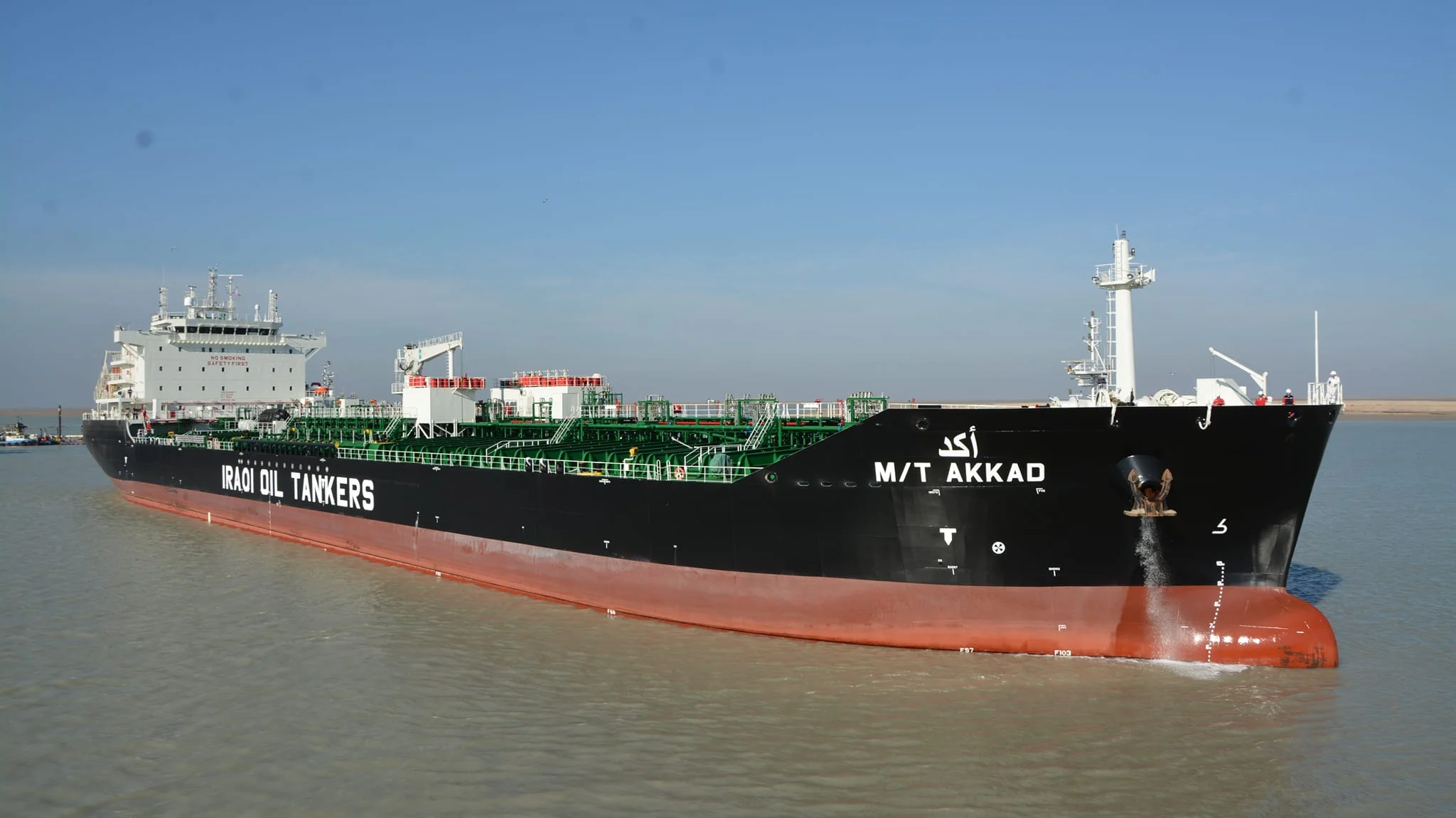
Iraqi Oil Minister Basim Mohammed said that the pipeline rehabilitation was completed using local personnel, helping strengthen national expertise in crude oil transportation and export infrastructure. He also highlighted that the North Oil Company’s initial commitments had been exceeded and that plans were being considered to increase the pipeline’s capacity to 500,000 barrels per day in the future.
The minister added that restarting the old pipeline represents a strategic step toward diversifying Iraq’s oil export routes and destinations, which could contribute to increasing the country’s financial revenues.
Rehabilitation work on the pipeline accelerated last March after Iraqi oil exports through the Strait of Hormuz were suspended amid developments related to the U.S.-Israeli conflict with Iran.
Mohsen al-Mandalawi, Iraq’s Deputy Prime Minister for Energy Affairs, also stressed the significance of restoring the pipeline’s operation, noting that efforts are continuing to expand its capacity to 500,000 barrels per day.
According to the latest SOMO statistics covering August 2026 exports, approximately four million barrels of oil were exported from Kirkuk Province. More than half of this amount was transported through the Kurdistan Region’s oil pipeline. Kirkuk has five major oil fields—Avana, Bai Hassan, Baba Gurgur, Jambur, and Khabbaz—which are managed by the North Oil Company, a company operating under the Iraqi federal government.