




War spares nothing, the ripple effects of the U.S.-Israeli “Operation Epic Fury” against Iran has reached far beyond the battlefield, including restrictions on press freedom in the Kurdistan Region of Iraq (KRI).
Since the outbreak of the war, executive bodies in the Kurdistan Region have issued multiple instructions and directives, each based on its own understanding of media work, to regulate the fourth estate, creating confusion and raising questions about their legitimacy in overseeing the media.
Amid escalating attacks and a rapid flow of information and news, the Kurdistan Region has become a media battleground for the conflict between the United States and Israel on one side and Iran on the other, a confrontation that has been unfolding since late February 2026. In the absence of an active legislative authority and a functioning professional syndicate, a number of institutions within the executive branch have attempted to fill this gap by seeking to regulate media work.
As the situation unfolds, a growing sense of anxiety and confusion is taking hold among journalists and media organizations. Some are now working under pressure and threats, forcing them in certain cases to adjust how they cover the war and its repercussions.
With the issuance of the first statement, the nature of media coverage changed. Nabaz Rashad, a correspondent for Bwar Media in Erbil, said, commenting on the instructions related to regulating media in the region: “Honestly, the situation has become very uncomfortable for me, and for my colleagues as well.”
Rashad, who has been covering attacks targeting Erbil and the Kurdistan Region since the war began, said the instructions have had a significant impact on his work. “These regulations have severely restricted what I can do as a journalist. I’m no longer able to convey information to the public,” he said, adding that Asayish (security forces) contacted him and warned him not to continue his work.
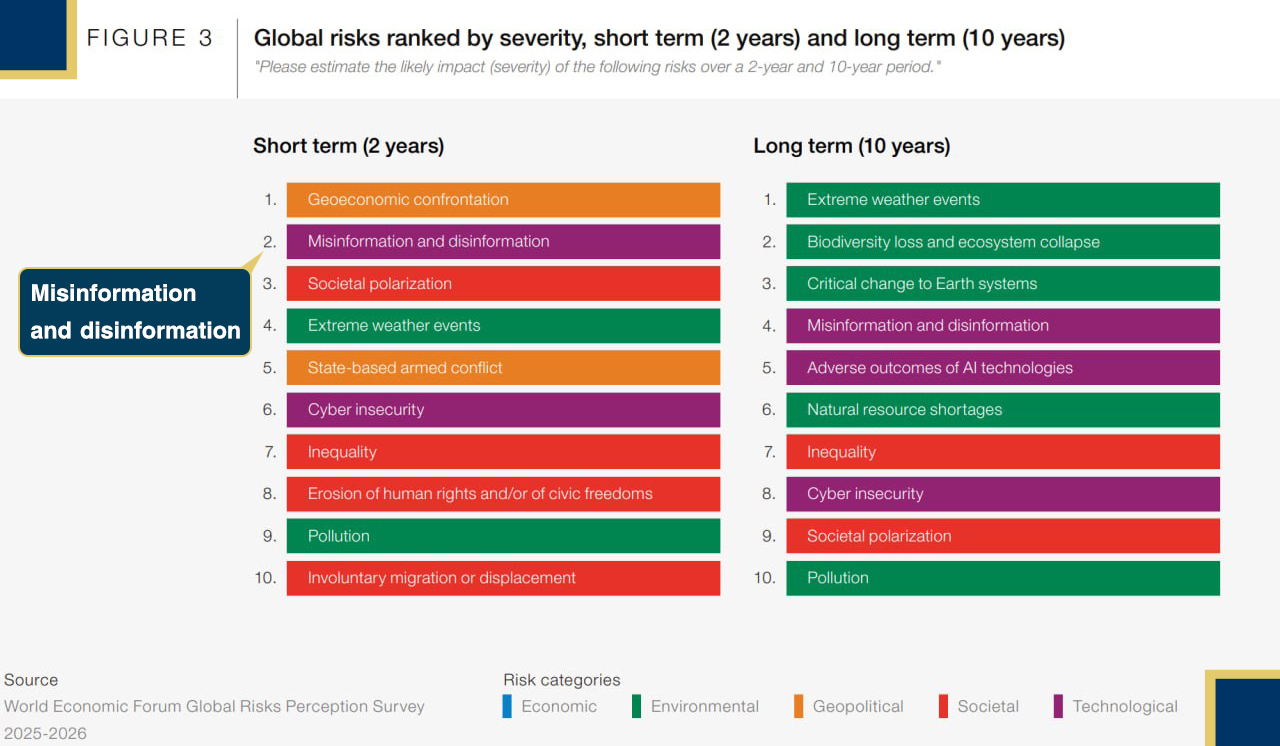
Access to information for people in the region during the war has become an issue. According to the World Economic Forum’s Global Risks Report 2026, “The risk of misinformation and disinformation is the second largest of the top ten risks facing the world today.”
Rashad’s concerns emerged after multiple institutions, including the Department of Media and Information of the Kurdistan Regional Government (KRG), the Ministry of Culture and Youth, the Asayish (security forces), and the Ministry of Peshmerga issued instructions governing media activity, in addition to the Kurdistan Journalists’ Syndicate.
These directives set out how and where reporting should be carried out, and include penalties such as license revocation or permanent closure of media outlets. This is happening despite the existence of Kurdistan Press Law No. 35 of 2007, which already regulates journalistic work and assigns a role to the Journalists’ Syndicate as part of the process of regulating and overseeing the work of media outlets.
At the same time, the KRG Ministry of Culture and Youth has also taken steps to regulate journalistic work by issuing a set of instructions, particularly targeting radio and television operations.
The war has added another layer of complexity to an already strained media environment.
Who Holds the Legal Authority to Regulate the Media
War coverage in the Kurdistan Region is increasingly moving in this direction. At the same time, institutions linked to the executive branch are steering the media narrative, even though they have neither the legal authority nor the professional mandate to regulate it.
Saman Fawzi, a media law expert, says: ‘The body that sets the limits of the media work is the parliament (Kurdistan Region), as the representative of the people. The media is regarded as the fourth estate and, in principle, should not fall under the control of the executive branch.
“For this reason, Iraq abolished the Ministry of Information, since a government body should not oversee the media. Even the licensing of media outlets should not be placed under the authority of the Ministry of Culture," Fawzi added.
“After parliament, this responsibility is meant to fall to the syndicate,” he added. “The journalists’ syndicate’s role is not limited to print media; it also covers radio and television, and it can carry out this role in accordance with the law.”
After parliament, this responsibility is meant to fall to the syndicate
Over the past two decades, 1,259 media outlets have been registered in the Kurdistan Region of Iraq (KRI) with the Ministry of Culture and Youth and the Kurdistan Journalists Syndicate. These include satellite channels, local TV and radio stations, newspapers, websites, and magazines. According to data from the syndicate, 51 websites, 138 radio stations, 31 satellite channels, 85 local TV channels, 695 magazines, and 259 newspapers have either been suspended or shifted to operating solely through Facebook pages.
As these government bodies take on a role in issuing guidelines, two key questions arise: who oversees the media, and how qualified these bodies are to guide journalists and media institutions.
“Regarding the security agencies, which have also issued statements, Fawzi said: ‘They can file complaints with the public prosecutor’s office. If they believe a journalist has disclosed military information, they can pursue legal action. But if they punish media outlets themselves, no. And if they deal directly with journalists, in my view, no.’”
Shahen Wahab, a correspondent for Xendan Media Network in Sulaymaniyah, says: ‘I have read the decisions and guidelines several times, and we have also met with the security authorities and discussed these issues.”
Meanwhile, Zhilia Ali, a correspondent for Diplomatique Magazine, a digital media outlet in Sulaimaniyah, said she believes that media coverage has changed since the directives were issued. “We mention the city’s name, for example, Sulaimaniyah, but we don’t specify the locations where the missiles or drones landed. We simply say that a certain area in Sulaimaniyah was bombed.”
We don’t specify the locations where the missiles or drones landed
KirkukNow spoke with several other media outlets, which reported that the Asayish (Kurdish security forces) have recently tightened their guidelines, resulting in a noticeable reduction in media coverage.
The (KRG) Department of Media and Information is another institution that publishes instructions and guidelines. According to the official website of the KRG, this department has several tasks, including providing information on government activities, monitoring media work within the Council of Ministers, organizing press conferences, responding to inquiries, advising ministries and departments on how to deal with media criticism and observations, and communication with local and international media.
As is evident from the directorate’s mandate, there is no direct or indirect reference to regulating press freedom in the Kurdistan Region. In this context, an informed source within the Department of Media and Information told KirkukNow that “this is a decision by the Kurdistan Regional Government; the department issued these guidelines in the public interest. The department is a government body and makes its decisions in a way that ensures national security and protects institutions.”
The Media and Information Department's statement, addressed to all media outlets and issued on March 18, 2026, escalated the situation, as the department issued baseless threats without any legal foundation.
Point four of the statement reads, "We warn that any media outlet that does not adhere to these instructions or covers news of the war and attacks unprofessionally will be immediately subject to prosecution and legal penalties by the Kurdistan Counter-Terrorism Service."
Point five states, "Strict legal and administrative measures will be taken against violators, including the revocation of work permits or permanent closure, in accordance with the Security Council statement of March 13, 2026."
A March 18, 2026 statement by the Debarment of Media and Information to all media outlets marked a further escalation, as the body issued an unprecedented threat without a clear legal basis.
Point four of the statement reads, “media outlets that fail to comply with these instructions, or that report on conflicts and attacks in an unprofessional manner, will be subject to investigation by the Kurdistan Counter-Terrorism Directorate, and legal action will be taken against them in accordance with the law.”
Point five of the statement reads, “fifth: Strict legal and administrative measures will be taken against violators, including the withdrawal of operating license or permanent closure, in accordance with the statement issued by the Kurdistan Region Security Council on 13 March 2026.
The instructions were swiftly enforced against Al Jazeera, which was suspended from broadcasting in the Kurdistan Region for two weeks. Ava News, a subsidiary of Ava Media Group, said on March 15 that the move “falls within the framework of strict measures taken by the Security Council to safeguard national security during the war.”
“However, the ‘revocation of a license or permanent closure’ represents a significant escalation against media work. The only applicable law, No. 35, states in Article 2 (Clause 1) that ‘a newspaper may neither be banned nor seized.’”
Diyari Mohammed, director of the Metro Center, a Sulaymaniyah-based media watchdog, said “there is ‘no legal provision that permits the closure of any media outlet.”
With regard to the Department of Media and Information, “it was established to convey government news and communicate its activities to the public, not to oversee the broader media landscape outside government. Such a role should not be held by the government, but rather by an independent and impartial body operating separately from it,” added Fawzi Fawzi.
In this context, Mohammed said that under the law (Press Law), the Department of Media and Information cannot issue instructions to media outlets, as it is an official body of the Kurdistan Regional Government (the executive branch) and cannot maintain impartiality.”
"According to the law (the Press Law), when the Department of Media and Information issues instructions, it cannot direct these instructions to the media, because this department is an official institution affiliated with the KRG and cannot maintain its neutrality," Fawzi added.
Rashad said with frustration, “They also warned me and told me, “Give up bro,” but honestly, the situation is very bad, and I don’t know who at the Department of Media and Information came up with this idea.”
They also warned me and told me, “Give up bro”
According to Fawzi, the government's philosophy and approach to freedom of the press and media differ from those outside the government. Therefore, the responsibility lies with the parliament, but the Kurdistan Parliament is "inactive" and has not passed any legislation for several years; “the parliament is idle.”
According to Freedom House, a U.S.-based organization founded in 1941 that publishes annual ranking of freedoms worldwide, (including the Kurdistan Region as a federal entity within it) is ranked as “Not Free” in its Freedom in the World 2026 report. Iraq has received a total score of just 31 out of 100, with a score of 16 out of 40 for political rights and 15 out of 60 for civil rights.
At the same time, Azad Mohammed Amin, head of the Kurdistan Journalists Syndicate, told Kirkuk Now that “the security and interests of the Kurdistan Region must not be undermined under the pretext of freedom of expression and media work, particularly amid a situation resembling war in the region, the repercussions of which have already reached Kurdistan.”
"All entities linked with Kurdistan's national security are permitted to issue instructions within the framework of their existing laws," he added without providing any legal basis for regulating media work by these bodies.
“Those issuing instructions must adhere to Law No. 35, which stipulates that the press is free and should not be subject to censorship,” says Amin. Any directives issued must not contradict this law.”
“Authorities issuing such directives should rely on Law No. (35), which stipulates that journalism is free and must not be subject to censorship… Any directives issued must not contradict this law,” Mohammed believes.
What is the public mood?
People have the right to access reliable information, particularly in times of war and conflict, so they can make informed decisions about their lives and respond to unfolding events.”
Sardasht Hassan, 23, from Kalar district, says, “I wait for news about the economic, political, and security situation, especially the economy, and how the market is doing. Therefore, the media must pay close attention to these issues and ensure the accuracy and reliability of their information.”
“People in Erbil are extremely anxious. The sound of gunfire and drones can be heard, yet the media is not reporting what is happening, and that is very dangerous,” Rashad said.
Some attacks have targeted civilian areas, and people need to know what happened. Rashad says civilians don’t know where the drone crashed, what happened to it, or what will happen to them. This information must reach, especially civilian areas. "We must inform the world about the
A number of the attacks have struck civilian areas, and people need to know what has happened. Rashad said civilians are left in the dark, they do not know where the drone landed, what exactly occurred, or what may happen next, emphasizing that such information must be made public, especially when civilian areas are affected, adding: “The victims must be shown to the world.”
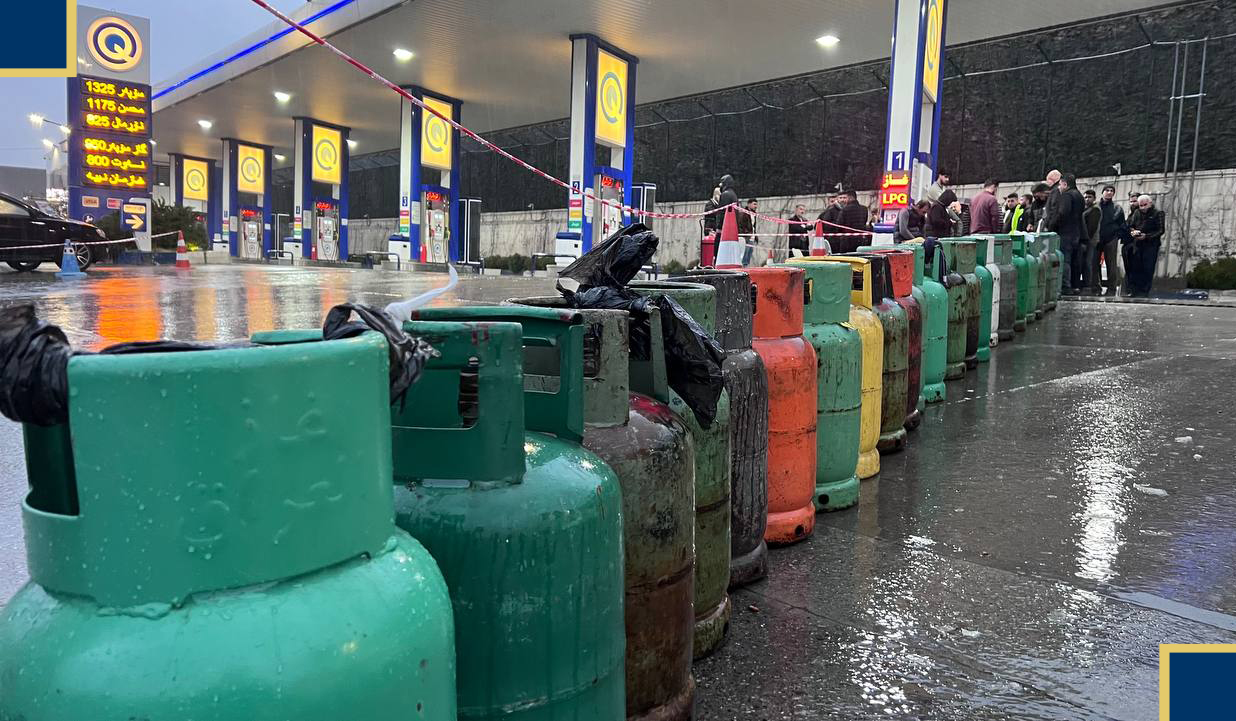
At least 112 people have been killed in Iraq, including a minimum of 17 in the Kurdistan Region of Iraq, since the outbreak of the war involving the United States, Israel, and Iran. This places Iraq third in the region in terms of human losses, after Iran and Lebanon. According to statistics published by Reuters, 3,540 people have been killed in Iran since February 28, followed by Lebanon with 1,461 fatalities, and then Iraq and the (KRI).
"Sometimes the messages don't reach their intended audience; sometimes the media can't handle events properly. Some media outlets make mistakes," Mohammed says. "The media bears a great responsibility in this situation. It must not spread fear and anxiety, and it must not become a tool used by the enemy to exploit the published information."
“At times, messages do not come across as intended; in some cases, media outlets are unable to handle events in a healthy manner, and some fall into error,” Mohammed said.
He added, “The media carries a significant responsibility in such circumstances, not to spread fear and panic, and not to become a tool that allows adversaries to benefit from the information being published.”
The Erbil-based media outlet 964 said on Wednesday, March 25, in a statement regarding the new directives, that “banning coverage has not prevented the spread of information, but has merely changed its source. Citizens are now obtaining their information from unverified Telegram channels, unregulated social media, and foreign media, instead of reliable and professional local outlets. This creates a fertile ground for the spread of misinformation, propaganda, and psychological distress among the public.”
Expressing concern over the Media and Information Department’s threats to suspend or revoke licenses of news organizations, the outlet added: “People hear the sound of explosions, see scenes of the response system, and feel their homes shaking, yet they do not know what happens next. This ultimately leads to a loss of trust, making it difficult for them to believe delayed official narratives.” Therefore, it calls on the government to reconsider those decisions.
Despite this, Wahab said, “It is true that there are, to some extent, media censorship and restrictions on access to information during the coverage. However, on the other hand, if we look at the overall coverage by some outlets that go to attack sites, it undoubtedly harms public and social security, affects people’s psychological well-being, and exposes locations, posing risks to national security and potentially providing information to the opposing side.”
“At times, the existing chaos, the large number of media outlets, and the significant political funding directed into the media contribute to creating chaos in the media landscape. However, there must be no threats against media freedom in the Kurdistan Region,” said the director of Metro Center.
In conclusion, Fawzi said he emphasizes that "the relevant body is the Kurdistan Journalists’ Syndicate, which, unfortunately, is in an unenviable position, as it hasn't held a conference for several years. There's a kind of apathy between the syndicate's branches. Next comes the Ministry of Culture, which, theoretically, shouldn't have this authority, but what's happening is a result of the absence of an independent body."
The director of Metro Center said that, despite significant reservations, existing laws remain a source of pride for people in the Kurdistan Region and should not be undermined, warning against replacing them with directives that lack legal authority.