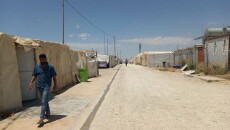





For years, Salim Badal held onto the hope of starting a new life in Europe. That dream, however, was short-lived, ending with his forced return from Germany.
Only weeks have passed since Salim was deported to the Kurdistan Region of Iraq KRI, one of many deportees returned primarily from Germany—a country where he invested years of hope and significant financial resources.
“We left for Germany in 2023. The journey was extremely difficult. We spent everything we had, but reaching Germany was my only goal. It was my dream,” said Badal, an Ezidi (Yazidi) from the Khanke sub-district.
Germany is considered the second-largest home for Ezidis worldwide after Iraq, with estimates suggesting nearly 230,000 Ezidis reside there.
“I wanted to stay in Germany, but instead I was deported,” he explained. Having spent less than two and a half years in Europe, he added, “I am not alone—thousands of others are facing the same fate.”
Over the years, Germany has periodically deported Iraqi asylum seekers, including Ezidis, despite their unique circumstances following the war against the Islamic State of Iraq and Syria ISIS.
“The German government has officially notified us that 20,000 people will be returned to Iraq, most of them Ezidis living in camps or near the Shingal (Sinjar) border,” said Pir Dayan Jaafar, Director of the Kurdistan Regional Government KRG’s Migration and Crisis Response Office, in a statement to KirkukNow.
The plight of the Yazidis during the ISIS conflict has drawn international attention, particularly in Germany. In December 2023, the German parliament formally recognized the crimes committed against Yazidis as genocide.
Ezidis are a non-Muslim ethno-religious minority of about 550,000 people, mostly residing in Shingal, in northern Iraqi province of Nineveh. The militants of Daesh extremist group in 2014 attacked their communities, killing thousands of men and taking thousands of women and children, in an atrocity the U.N. said amounted to genocide.

According to the KRG’s Ezidi Hostages Rescue Bureau, ISIS killed 2,293 people in August 2014 and took 6417 Ezidis as captives and sex slaves, mainly women and children, forcing thousands of families to flee their homes. Almost 70 shrines were destroyed and over 80 mass graves have been discovered.
“The suffering of the Ezidis and the atrocities committed against them must be considered. Deportation is yet another injustice,” Badal said.
Despite Germany’s reputation as a refugee-friendly country, it has intensified deportations of Iraqi refugees in recent years. Unofficial figures indicate that approximately 500 Yazidis have been deported over the past four years alone.
Jaafar noted that more than 180 Yazidis have been registered for deportation just this year.
“This month, we will open a special department called ‘Return to the Country’ to support those deported from abroad,” he added.
Many returnees struggle with unemployment, while others face serious psychological challenges.
“Since 2023, the Iraqi government has decided to provide financial compensation and employment opportunities for deportees, but these measures do not adequately cover the Kurdistan Region or the Ezidi population,” Jaafar explained.
Currently, more than 150,000 Yazidis remain in displacement camps across the KRI. Due to destroyed infrastructure, lack of services, and ongoing instability—especially in Shingal—many are unable or unwilling to return home.
“We don’t know where the Ezidis will go in the future. We have said it countless times: we simply want to live,” Badal concluded.